

Few names are as synonymous with the “Wieden+Kennedy way” as Susan Hoffman.
Born and raised in Portland, the same city that birthed the agency she has called home for over four decades, Susan’s journey from employee number eight to Chief Creative Officer, W+K Amsterdam, has been nothing short of legendary. A creative force who has traveled the world to seed the agency’s unique culture across several offices, she remains one of the most decorated and respected figures in global advertising.
Under her leadership, Wieden+Kennedy has consistently defined the cutting edge of the industry, amassing a staggering collection of accolades including multiple Cannes Lions Grands Prix and “Agency of the Year” titles from nearly every major trade publication. But for Susan, the glory has always been a byproduct of a much simpler philosophy: “The work comes first”.
I recently had the opportunity to sit down with Susan at the Wieden+Kennedy Amsterdam office, to discuss the past, present, and future of creativity. In this wide-ranging interview, we dive deep into the agency’s legacy, independent spirit, and culture. From her “Fail Harder” mindset to her “anti-advertising” approach to inspiration, Susan Hoffman remains the ultimate guardian of the industry’s most fiercely independent creative flame.
Susan’s Journey and W+K DNA
Matthieu Lamoureux (LLLLITL): Your LinkedIn still lists you as a “Junior Art Director at Wieden+Kennedy.” Is there a story behind that surprising title?
Susan Hoffman (Wieden+Kennedy): “I’ve gone through the whole thing up, from Art Director to Chief Creative Officer, and now I decided I’m just going to be a Junior Art Director again. I do it because a friend of mine introduced me to a music house as a Junior Art Director when someone couldn’t fly because of COVID. They were like, “Whoa, she has a lot of opinions for being a junior,” and I thought it was so funny. I’m going to continue being an opinionated junior.”
“I knew how amazing they were, so I always wanted to get back to working with them.”
Matthieu: You were employee “number eight” at Wieden+Kennedy. How did you first get involved with Dan Wieden and David Kennedy?
Susan: “I worked for Dan and David before ‘Wieden+Kennedy’, at William Cain (nb: Dan Wieden met David Kennedy in 1980 at the William Cain advertising agency in Portland, while working on the Nike account). When they broke off to start the agency, they didn’t have money to take anybody except themselves. There were five of them that were partners in the beginning. I had to wait until they had an opening, and when they did I quit my job. I knew how amazing they were, so I always wanted to get back to working with them.”
Matthieu: You’ve been with the agency for over 40 years. In an industry where people jump every few years, what accounts for that longevity?
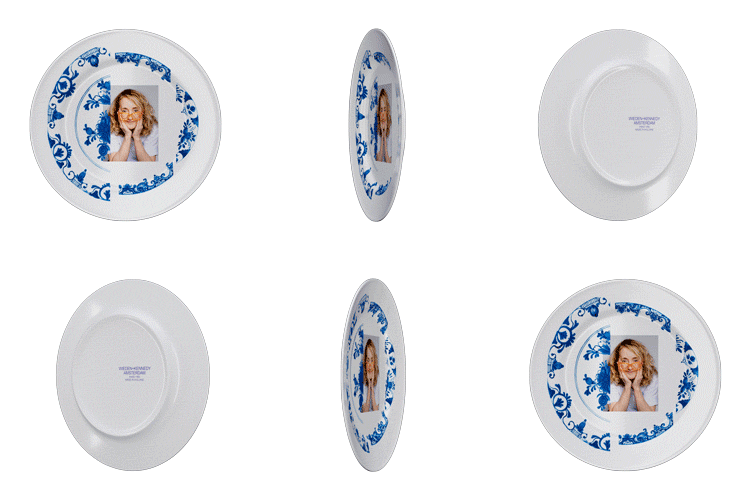 Susan: “I’ve been in the business for 41 years. Dan and David were pretty special. I don’t think you could work for anybody better. I had some big challenges at Wieden+Kennedy, like people who felt I shouldn’t be there, but I was persistent and I knew Dan and David supported me. I believed in their philosophy, and I’m only driven by that. As for the things that weren’t as fun, I don’t dwell on them. What I think about is the amount of support I received, and how much I feel I owe that back.”
Matthieu: This longevity is both unusual and remarkable, especially given that, throughout your successful career, you must have been offered many roles and opportunities at other networks.
Susan: “You know, interestingly, not really. Actually, I was always surprised that I didn’t get more people calling me. I think in the early years being a woman didn’t help. And then when it did kind of matter that you were a woman, I think I was too far into Wieden+Kennedy at that point, and so people assumed I wouldn’t leave. To be honest, I remember one time I was so pissed off at Dan Wieden that I applied for a job at another agency, but I never followed up.”
“At Wieden+Kennedy Portland, we were brought up around the culture, we were the culture.”
Matthieu: With such a high level of responsibility and so many global offices, how do you manage to keep a consistent culture of creativity?
Susan: “It is harder for offices outside of the US because in Portland, we were brought up around the culture, we were the culture. There are a lot of ‘Wiedenisms’ like “Fail Harder”, “Don’t Act Big”, “Your Voice Matters”, or “Give People Authority” that are part of my language. We have even more sayings here in Amsterdam: “The work comes first” or “You Come to Wieden+Kennedy To Do The Best Work Of Your Life”. Every department knows that and everything we do is in service to the work.”
“I was personally given more opportunities than I had experience, and that’s how I got better.”
“Even into the global leadership positions I had it was always only about the work. Giving people authority is also crucial, and it’s actually one of the hardest things to get people to understand. Just because someone is junior doesn’t mean that you can’t put them in a position of authority. I was personally given more opportunities than I had experience, and that’s how I got better.”
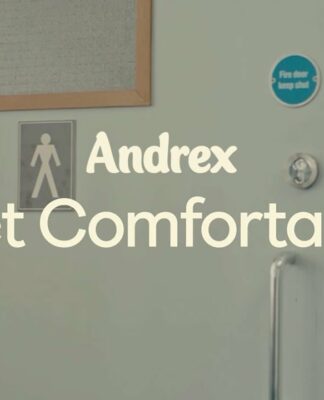
On the occasion of the 35th edition of the biennial Africa Cup of Nations (AFCON), Nike and Wieden+Kennedy Amsterdam have teamed up to show that when it comes to playing football with style and creativity, the continent is where it’s at.
About Her Amsterdam Comeback
Matthieu: You recently returned to the Amsterdam office, which you originally founded almost 34 years ago, in summer 1992. What brought you back?
Susan: “Even though I was born and raised in Portland, half my career has been developing different offices across the network. Most of my journey in the network has been based on what was available. When I ran the Portland office, for about nine years, there was initially an opening for the role. I also worked in New Delhi and Tokyo, and I ran our New York and London offices. Most recently, there was a need in Amsterdam, and I usually volunteer for that. I was like, “Yeah, I’ll go back to Amsterdam, why not?””
Matthieu: What makes the Amsterdam advertising scene different from places like New York, London or Portland? And does that change how Wieden+Kennedy operates in each location?
 Susan: “Yes, very much so. Each office reflects the city it’s part of. Amsterdam, for example, has a very different lifestyle. It’s a small city, people bike to work, commutes are shorter, and there’s generally less stress than in other major cities. That definitely shapes the culture of the office.”
“One thing I think we could do better, something I’ve felt since opening this office, is being more deeply embedded in Amsterdam’s cultural life, not just its advertising scene. That means being involved with local art and institutions. For example, we’ve done pro bono work for Foam, the photography museum, and many people don’t know we designed the Eye Film Museum logo over 20 years ago.”
a Dutch version of Wieden+Kennedy CULTURE COULD BE “illegal but tolerated.”
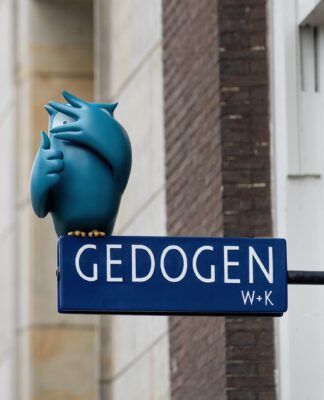
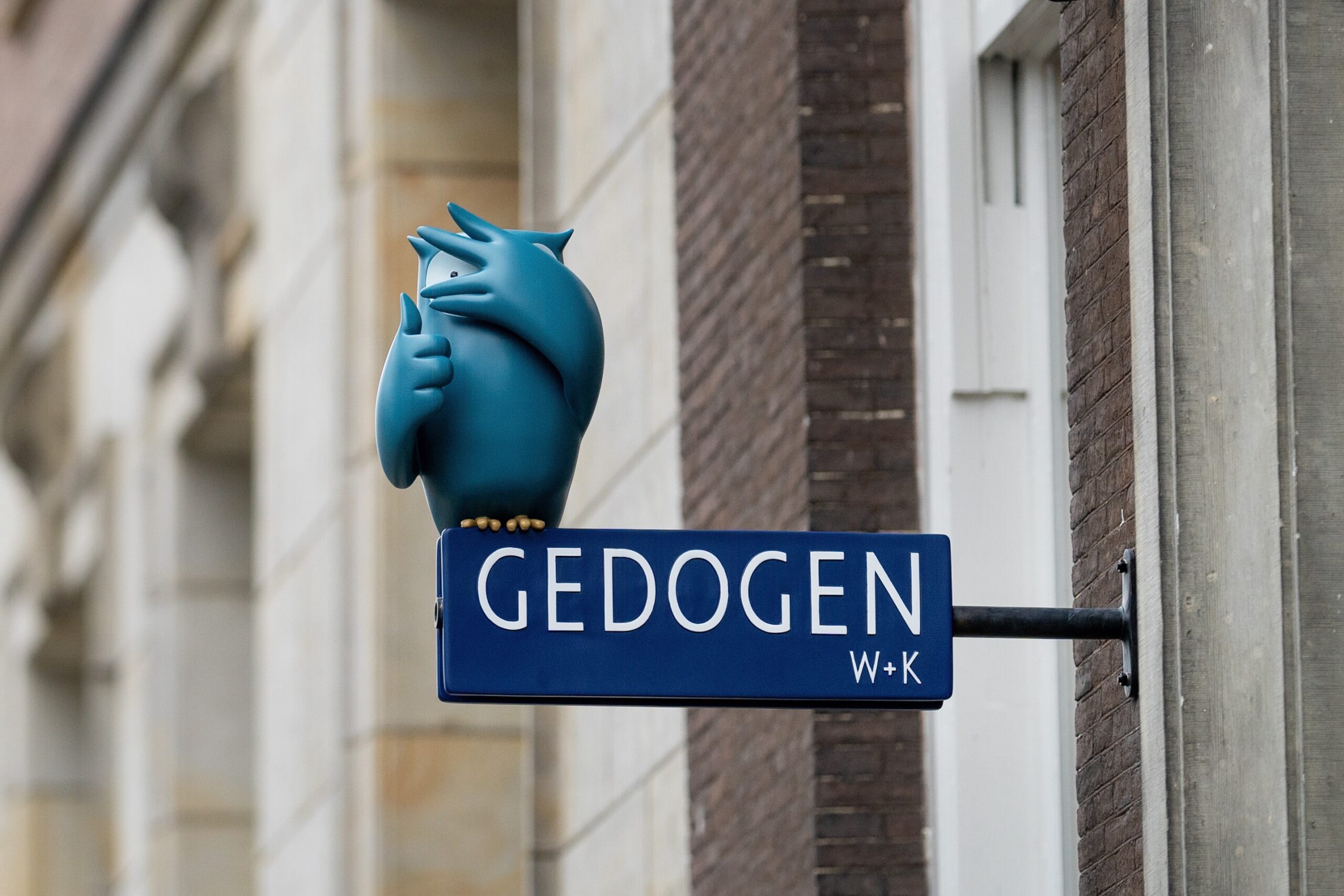
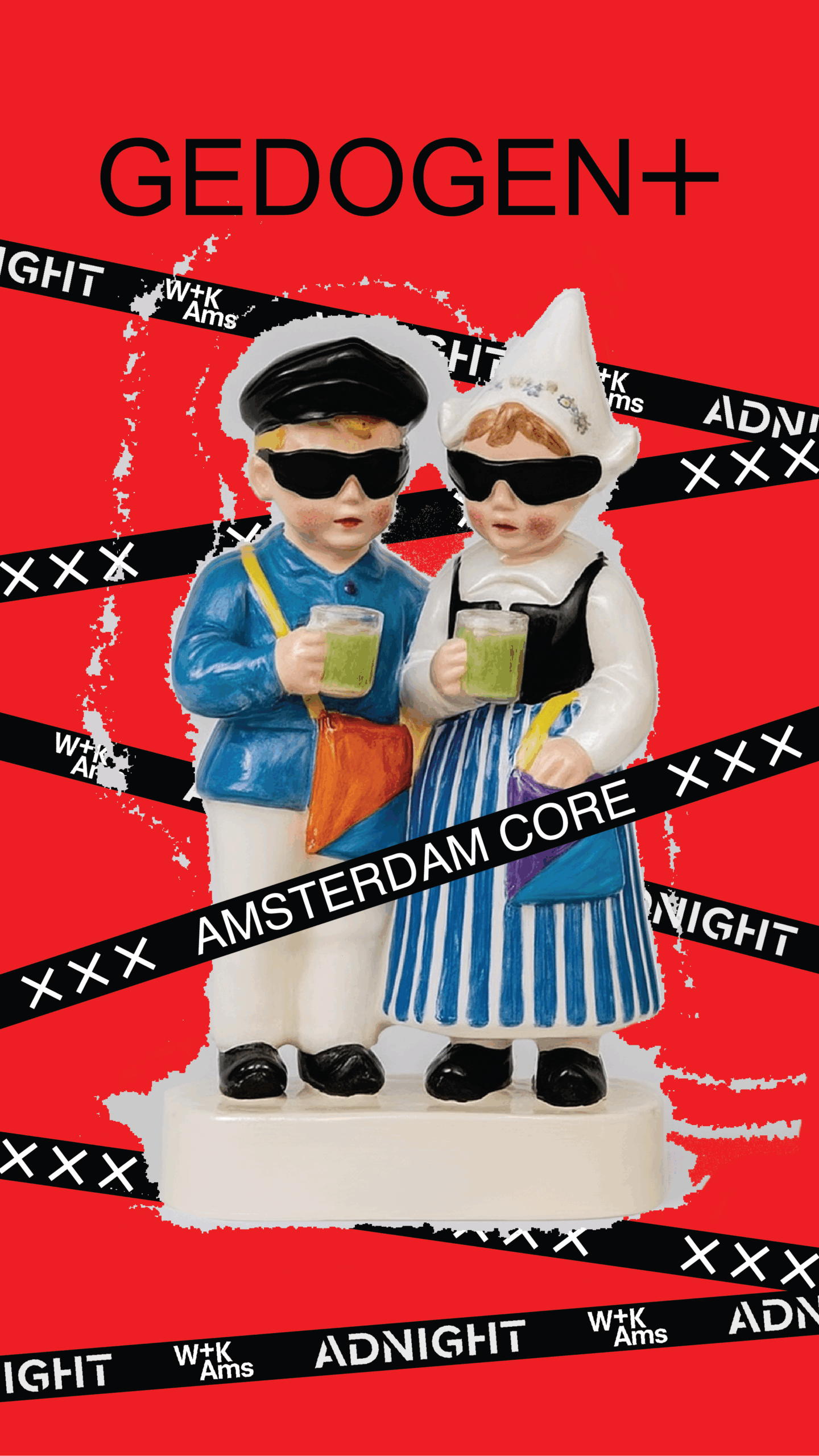
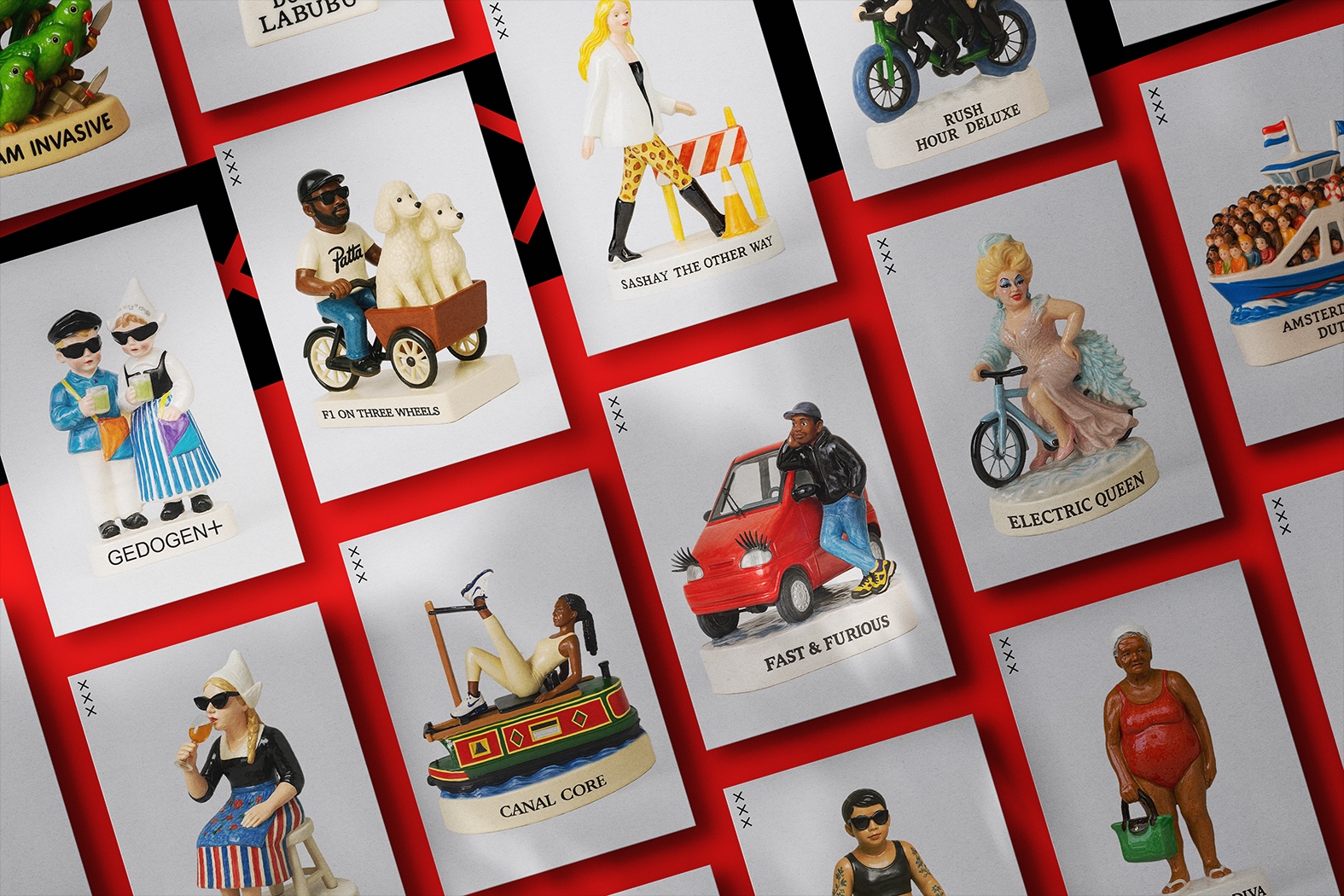
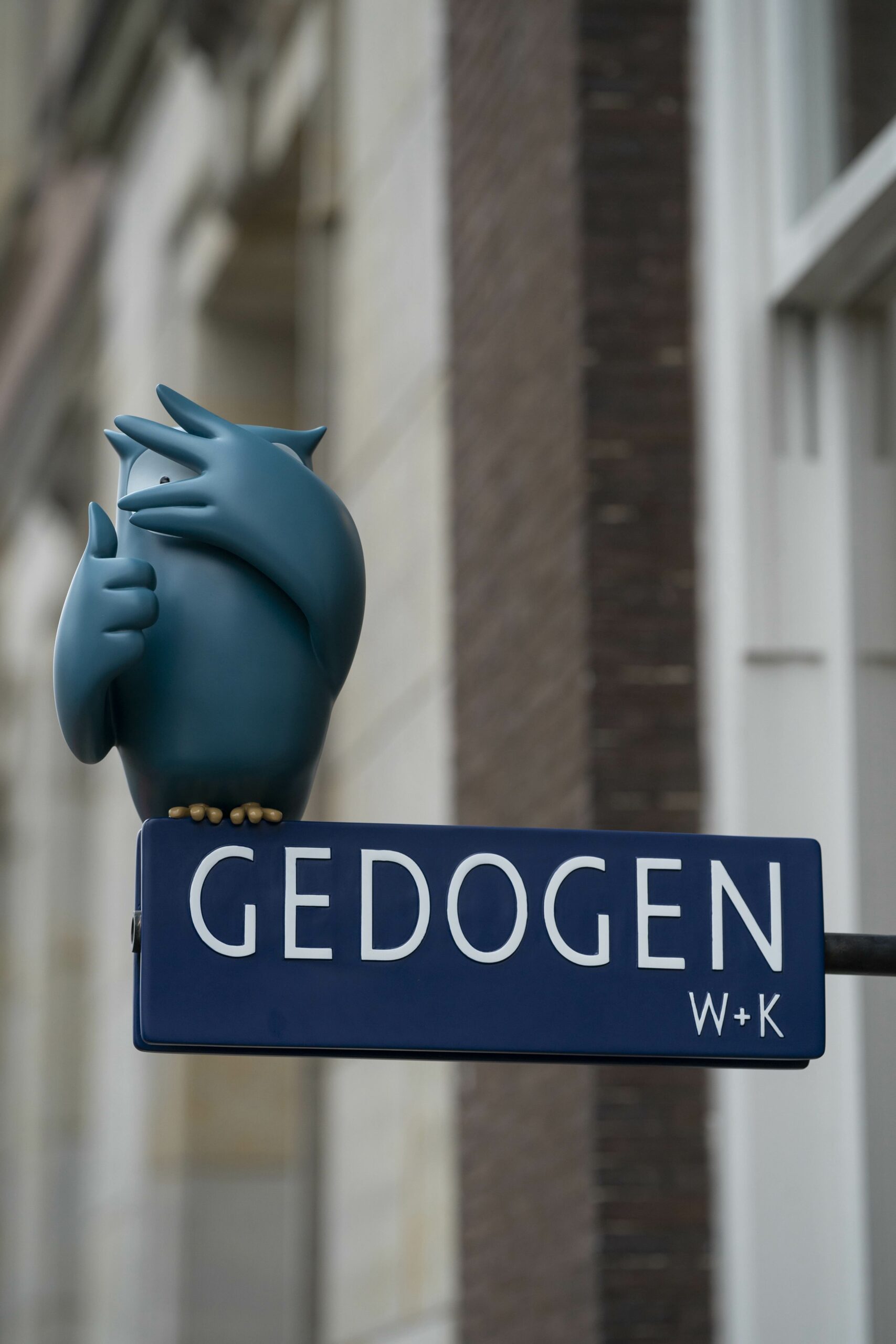
This desire to be more culturally connected led to projects like ‘GEDOGEN+ Amsterdam Core’. It’s a collection of 75 figurines that playfully capture the contradictions of everyday life in the city. We first launched the ‘GEDOGEN+’ platform in collaboration with the local street artist Frankey, who created the owl who sits outside our office. We were trying to define what “a Dutch version of Wieden+Kennedy culture” could be, and one of our Strategists introduced us to the concept of gedogen, which roughly means “illegal but tolerated.””
Inspiration, Industry, and the “Deep End”
Matthieu: Where do you look for inspiration today?
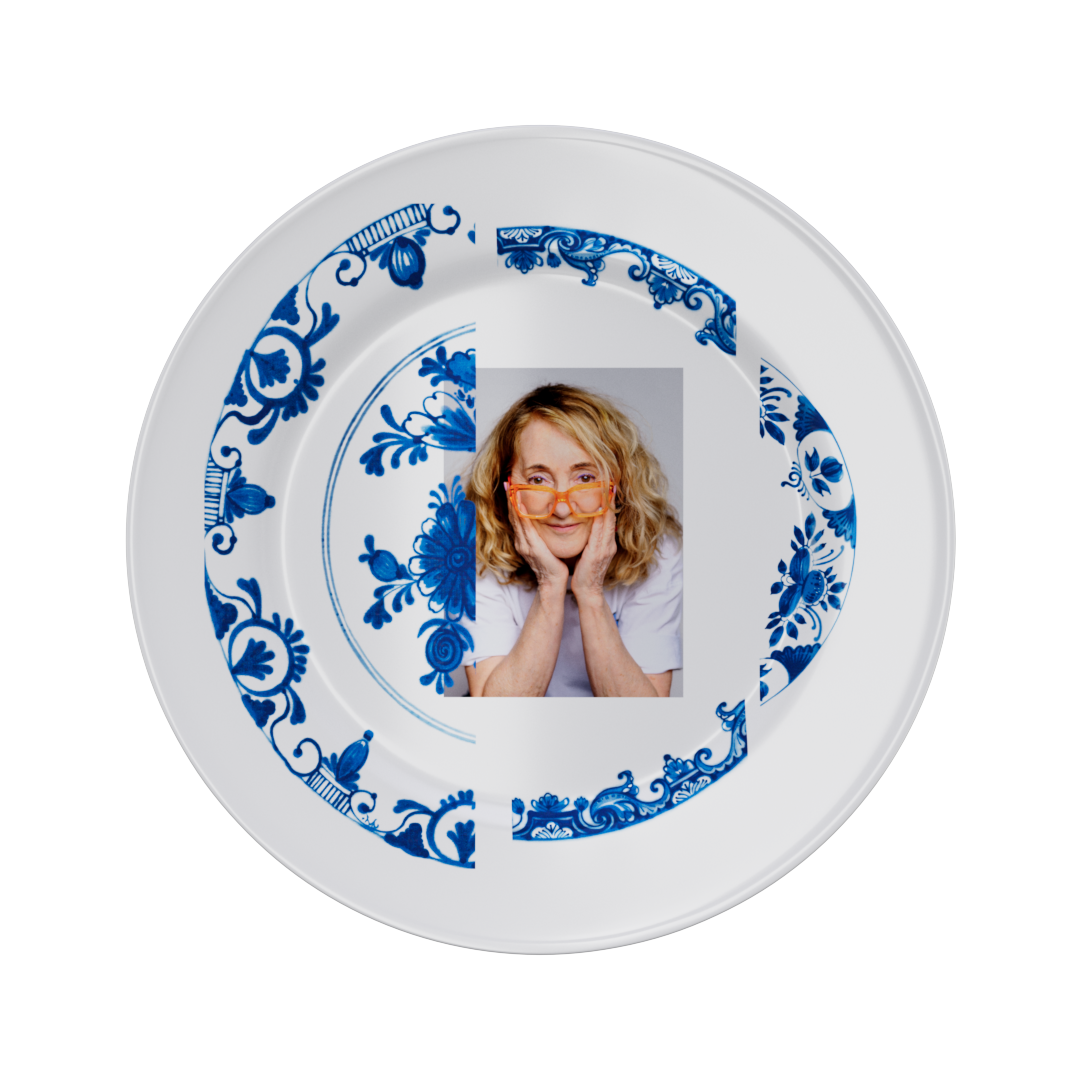 Susan: “I follow fashion trends quite a bit because there’s a provocativeness in fashion, they seem to get away with really unique things. I also go to bookstores like the Athenaeum on Sundays and look at the magazines and books because it influences me differently (nb: the Athenaeum Boekhandel is an Amsterdam based historical bookstore). I also go to museums, one of my favorite museums over the last few years is the Bourse de Commerce in Paris.”
“Dan Wieden knew the culture would disappear if it became about the bottom line.”
Matthieu: With massive mergers happening in the industry, how do you view the role of the independent agency?
Susan: “Wieden+Kennedy will always be independent, it will never be for sale. We are legally in a trust and cannot sell. Even if we were a failing company, we just can’t sell. Dan Wieden knew the culture would disappear if it became about the bottom line. It took him at least five years, maybe ten, to figure out legally how to do it. I’m excited about advertisers going for smaller and wanting to open their own shops now. When you get as big as dozens of thousands of people, you lose your edge and it’s very hard to protect the culture.”
With the genius of Willem Dafoe, W+K Amsterdam unveiled Zalando’s refreshed brand positioning with a campaign celebrating the democratic, diverse, and human aspects of fashion, by posing a question that unites us all regardless of taste, age, location, gender, or background: “What Do I Wear?”.
“Studying ourselves doesn’t make us more inventive, studying other industries is more helpful.”
Matthieu: Do you follow the industry trades and trends closely?
 Susan: “I would say no. When I first got in the business, I was a total ad nerd, but later I realized that wasn’t going to make me a unique thinker. I think it’s hard to be inspired by our industry right now, as I’m not sure we’re doing the freshest work out there. Over time I started buying odd magazines like Face and ID to find unique ways to be inspired by culture. Studying ourselves doesn’t make us more inventive, studying other industries is more helpful.”
Matthieu: How do you get clients to take the necessary risks for great work?
Susan Hoffman: “Creativity is hard. I am absolutely empathetic for clients. You better work hard at it and have a strong relationship with your clients to get them to jump off the deep end with you. Come on everyone, jump off the deep end! You’ll still swim and you’ll still get back to the edge of the pool. The consumers are getting conservative, while a conservative client makes a conservative agency, and a conservative agency makes a conservative client. Let’s be relevant with a big f****** surprise.”
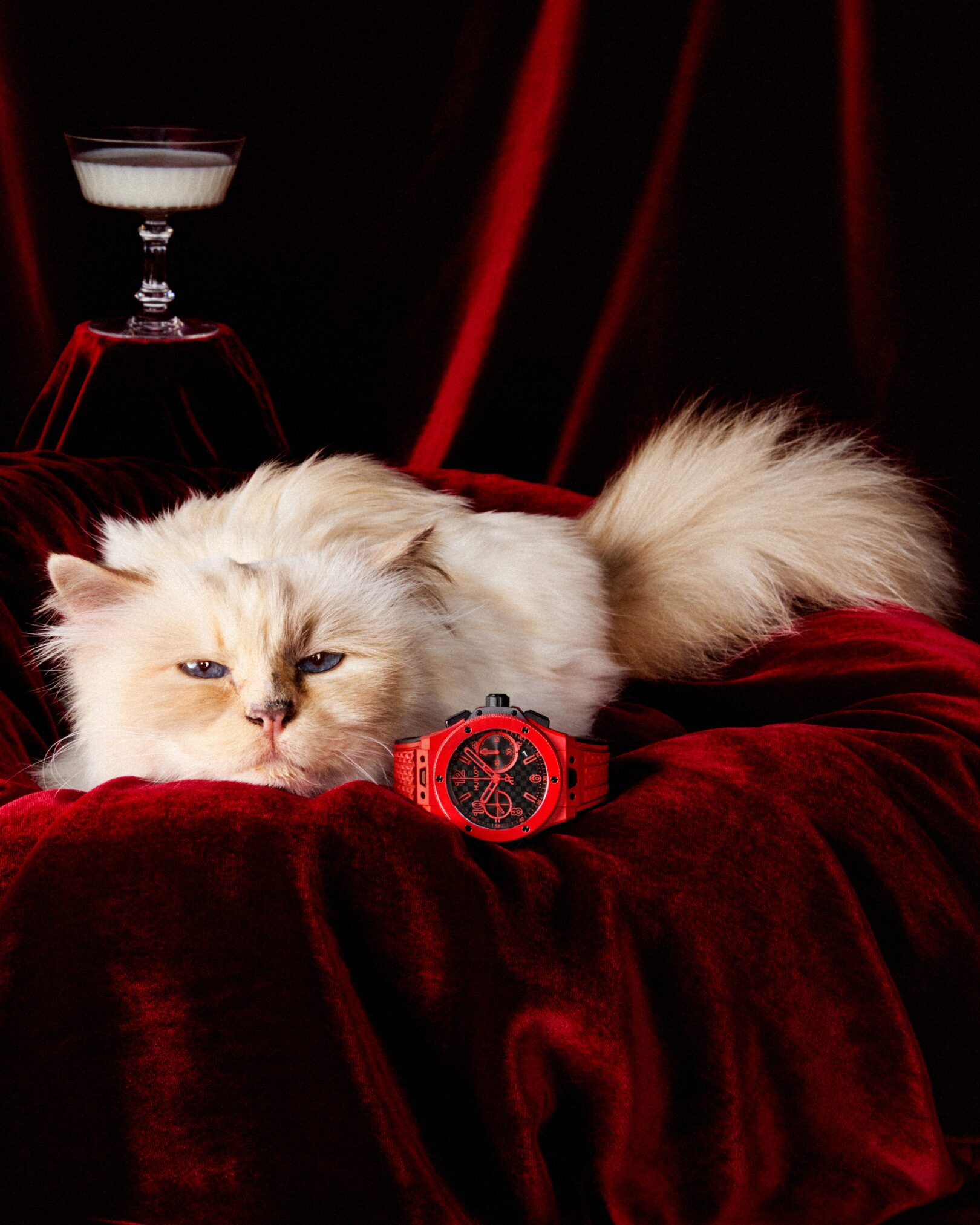
To mark the 20th anniversary of Hublot’s iconic Big Bang collection, Wieden+Kennedy Amsterdam rewrote the rules of luxury through a campaign that echoes the audacity and playfulness of the brand, with the help of the internet’s reigning feline: Karl Lagarfeld’s beloved Choupette.
AI and 2026 at Wieden+Kennedy Amsterdam
Matthieu: What is your stance on AI in the creative process? Do you think AI can ever replicate creative “taste”?
Susan: “It’s important that everybody understands how they can use it as a tool, because it makes things much quicker. But it shouldn’t be the final thing, it still needs a human hand in it. We can’t get scared of it because it’s here, and we have to figure out how to embrace it, and use it in a creative way.”
“You can do stuff without the human hand, but I think you’re always going to feel it in the work.”
“I don’t think people have the same creative taste they used to, and we need to make sure we still have great creative taste. I don’t think AI can do that, though we can get better and faster at crafting with it. You can do stuff without the human hand, but I think you’re always going to feel it in the work.”
Matthieu: Wieden+Kennedy Amsterdam recently launched the “The Way To Train” campaign for Trainline. Given the current landscape, why shoot it all “real”?
Susan: “There was no artificial intelligence involved, and I’m not sure we could have had the same level of craft through AI. Also, not all clients are willing to use gen AI yet. After hearing about some of the recent AI “fails” in the industry I’m cautious. Maybe you can get away with it more easily and quantitatively with illustration than you can with live film.”
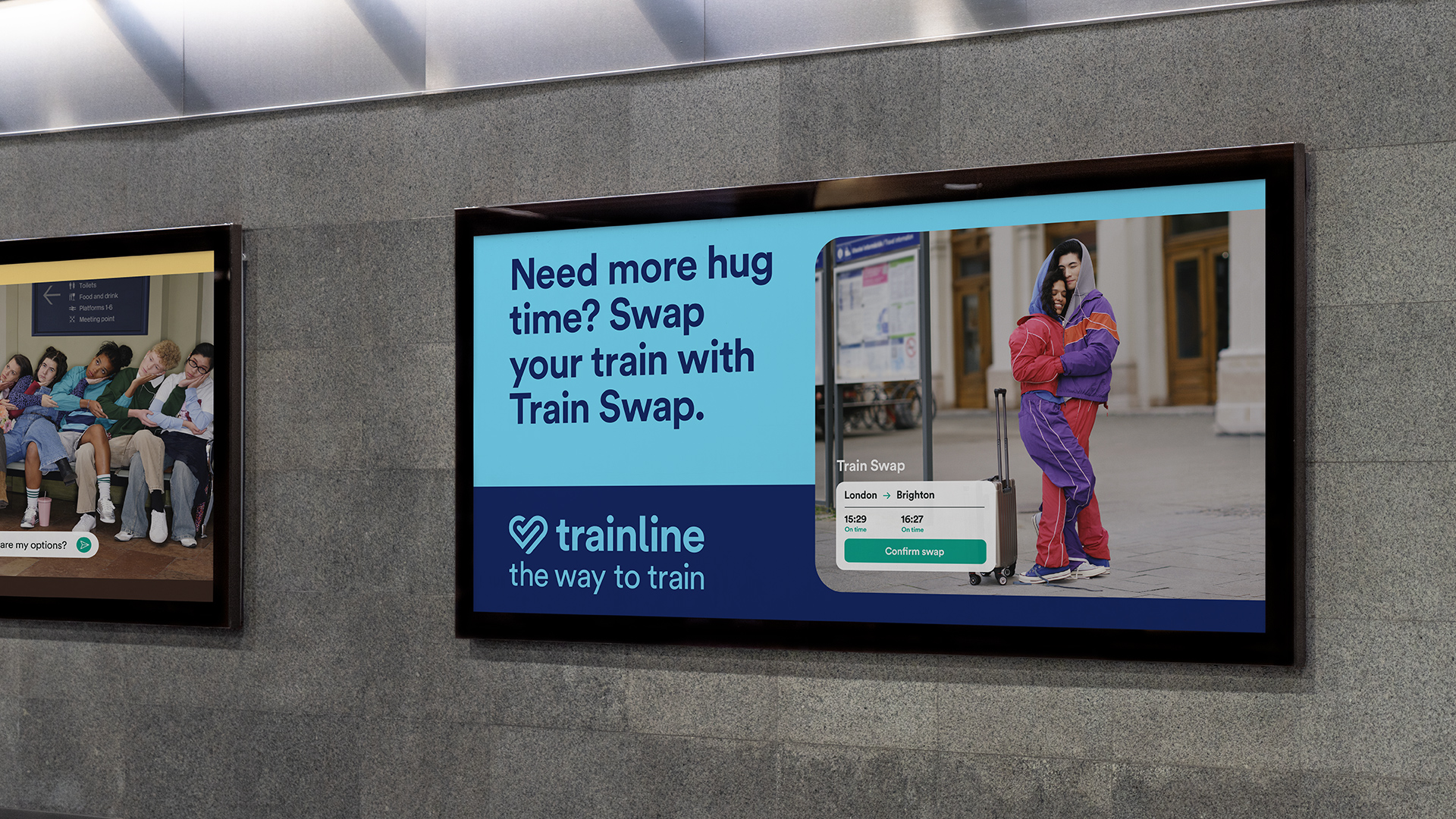
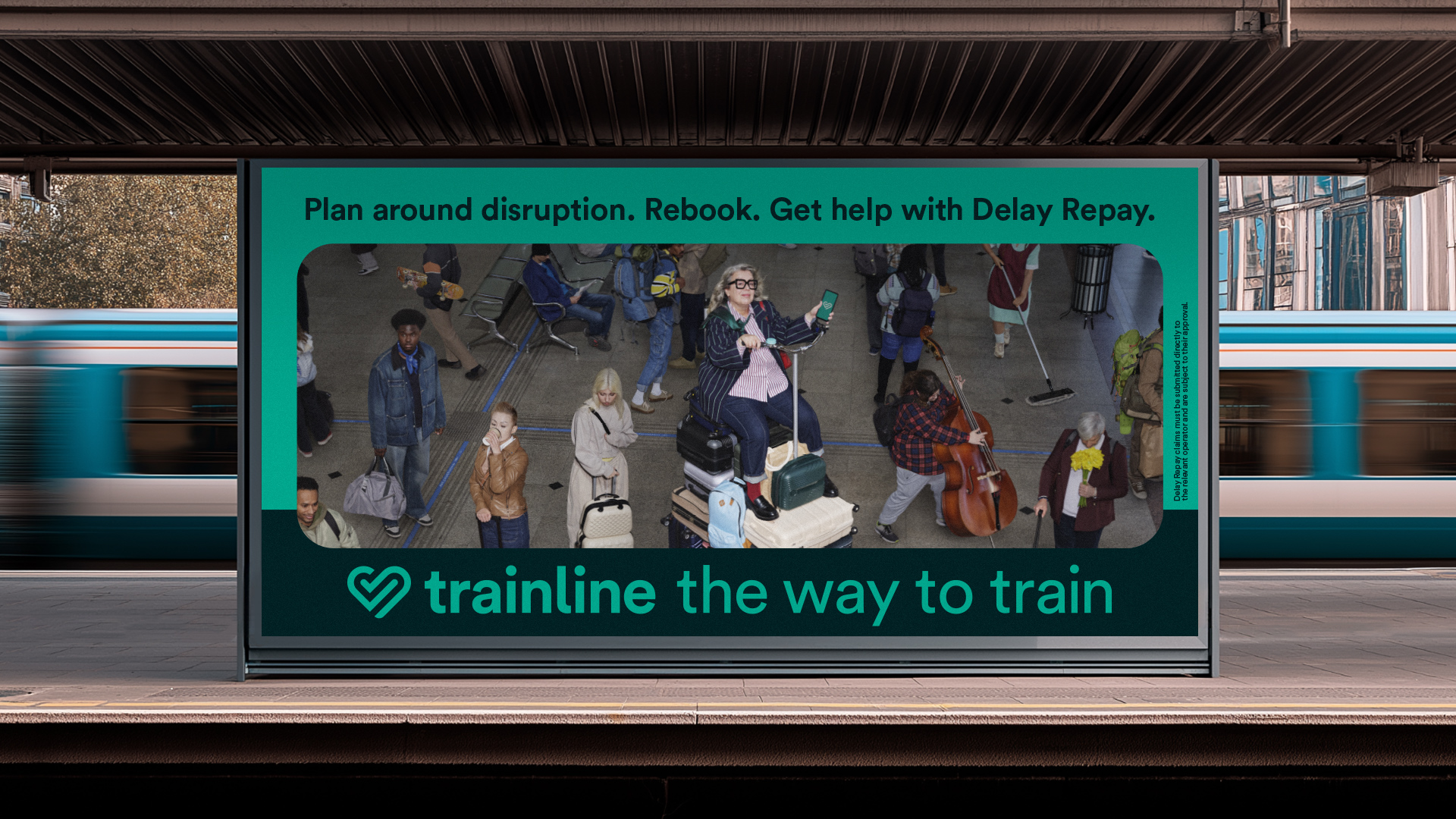
‘The Way To Train’ is Trainline’s new transformational brand platform, changing the way every traveller takes the train. Spanning film, radio, digital and out-of-home, the UK launch campaign went live in December 2025, just as the country heads into an anticipated peak in rail disruption.
Matthieu: Looking toward 2026, what is your main goal?
Susan: “We have to stop thinking about typical films. What are the different, fun ways to communicate that we haven’t done? That is the kind of questions I find more interesting than doing a great TV ad. I’m more excited about “breaking the internet” as we say. I understand why a lot of people coming up through this industry want to do “the next Nike ad,” but I think they should rather ask themselves “What’s the next big thing?””
END.
A huge thank you to Susan Hoffman for her time, her characteristic honesty, and for giving us a glimpse into the heart of the world’s most iconic independent agency. Her message is a vital reminder for all of us in the industry: in an era of data-driven safety and massive consolidation, the most powerful thing brands can do is embrace the “deep end” and choose to be original, with that big f****** surprise.
If you enjoyed this deep dive into the “Wieden way”, there is plenty more to discover here: Our Interviews of Advertising Pros
If Susan’s insights into the W+K Amsterdam office have you curious about the broader local landscape, be sure to check out: Our Amsterdam & Netherlands Ad Agencies Map