

For the 2026 World Cup, the idea of a “football star” seems to be expanding far beyond the players themselves.
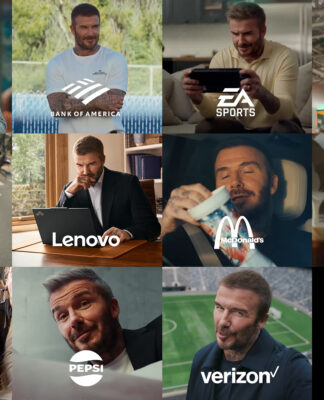
For years, World Cup advertising followed a familiar formula: bring together the biggest names in football and feature them in campaigns for beverage brands, sportswear companies, and fast-food chains. For this edition, players like David Beckham, Lionel Messi, Thierry Henry, Lamine Yamal, and Kylian Mbappé remain the core faces of global World Cup marketing.
But a new trend is emerging: national team coaches and sports commentators are stepping into the spotlight as advertising personalities in their own right. Figures such as Carlo Ancelotti, José Mourinho, Peter Drury, Andrés Cantor, and Jorge Campos now appear in brand campaigns and promotional content that would once have been reserved almost exclusively for players.
Coaches Are The New Faces Of Football Advertising
For decades, coaches were largely absent from major marketing campaigns. Today, however, they command their own fan bases, social media followings, and significant media value. A national team coach brings something players do not always offer: experience, credibility, and a sense of authority.
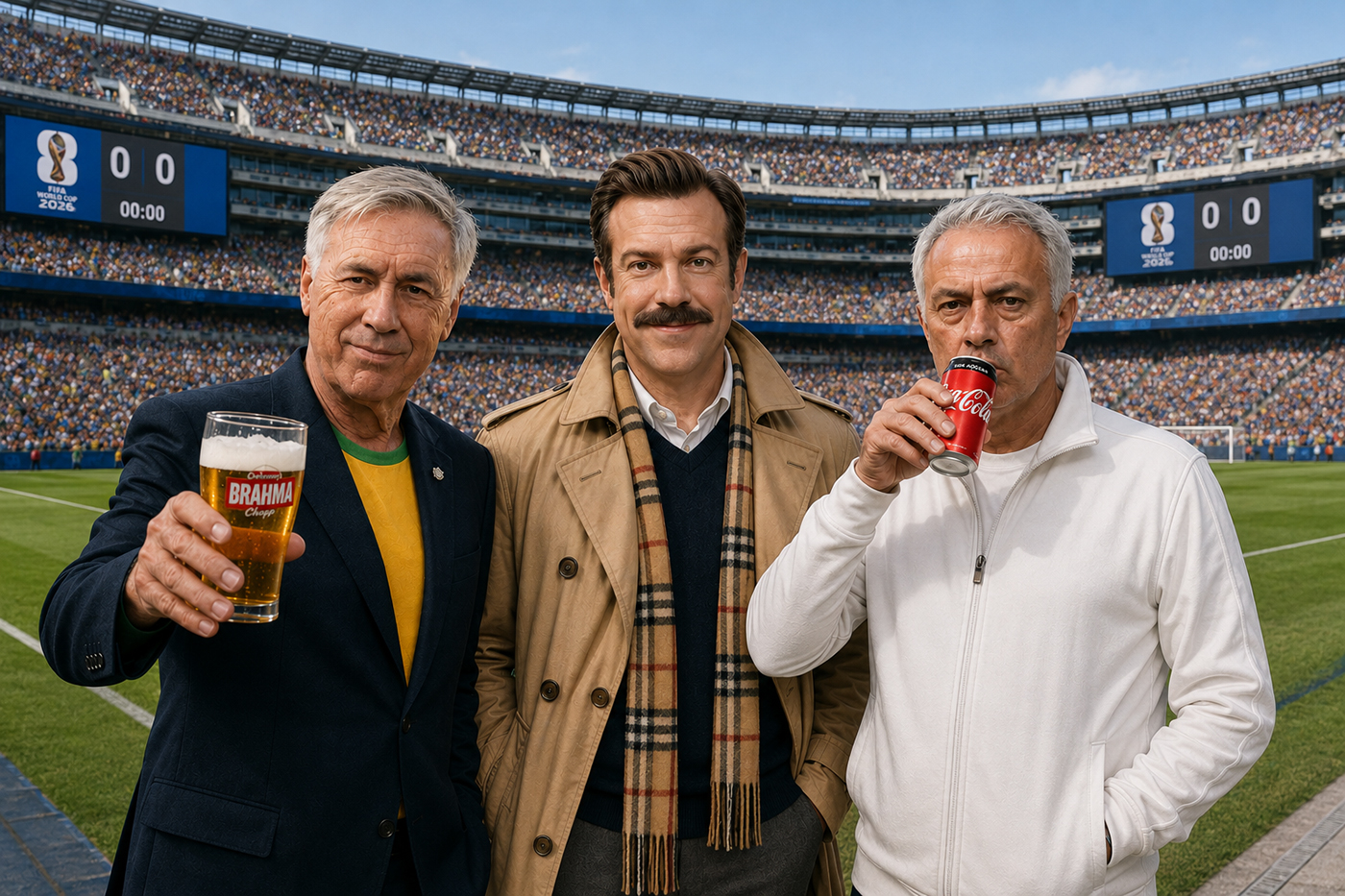
One of the clearest examples is Carlo Ancelotti. Since taking over as head coach of Brazil, numerous brands have sought to feature him in their World Cup-related communications, attracted by his image as a “football sage” and his global reputation. The Italian manager has become far more than just a coach.
In its “Tá Liberado Acreditar” (“You’re Allowed to Believe”) campaign, Brazilian beer brand Brahma brings together Carlo Ancelotti and Ronaldo to reignite optimism among Brazilian fans ahead of the 2026 World Cup. The film plays on doubts surrounding the Seleção and encourages supporters to believe again despite recent criticism and results.
Even national team “squad” announcements have evolved into full-scale marketing productions. Beyond traditional press conferences and news coverage, football federations are increasingly producing cinematic, highly scripted videos to reveal their squads.
Belgium provided a notable example with a playful campaign featuring Rudi Garcia. The former Lille, Lyon, and Marseille coach embraces a more comedic persona, far removed from the traditional image of a serious manager behind a podium. The video was widely praised by Belgian fans on social media, 26 of whom will follow the Red Devils in North America.
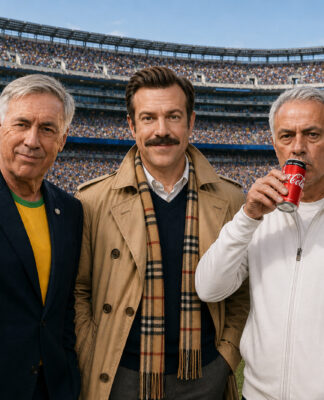
Coca-Cola takes this evolution even further with José Mourinho. For the tournament, the brand partnered with GOAL to launch a content series titled “José vs. Mourinho,” featuring not the Portuguese coach himself, but a digital twin powered by artificial intelligence. This avatar reacts to tournament developments in multiple languages across more than 200 pieces of content released during the competition.
José Pékerman, the iconic former Argentina and Colombia coach, also plays a central role in Telemundo and NBCUniversal’s 2026 World Cup promotional campaign. Even fictional coaching figures are part of the marketing push: Jason Sudeikis reprises his role as “Ted Lasso” in advertising films for Nike and Burberry.
Legendary Voices Worth Their Weight in Gold
Another major shift at this World Cup is the growing importance of commentators. Brands are increasingly turning to some of the most recognizable voices in football broadcasting. British commentator Peter Drury, known for his poetic and viral goal calls, is now almost as recognizable as many players. The same is true for Andrés Cantor, globally famous for his extended “Gooooooooool!” celebrations, and Luis Omar Tapia, one of the most influential voices in Spanish-language football coverage.
In the United States, FOX Sports’ lead commentary duo John Strong and Stu Holden also feature prominently in major promotional campaigns. They are joined by special tournament analysts such as Zlatan Ibrahimović and Clarence Seedorf.
These figures bring something players often cannot: nostalgia and emotional memory. Their voices are tied to iconic goals, finals, and historic nights in football history. Jorge Campos, the former Mexican goalkeeper known for his flamboyant kits and attacking style, also appears in several World Cup-related campaigns, including Nike’s cinematic short film.
In some cases, coaches and commentators even appear together in the same productions. Coca-Cola’s “No Better Feeling” campaign, for example, features José Mourinho, J Balvin, Peter Drury, and Luis Omar Tapia. The film captures the emotional rollercoaster of watching a match, using VAR delays, tension, frustration, and euphoria to highlight what makes football so compelling.
Major brands are clearly recognizing that certain coaches and commentators are becoming nearly as famous as the players they manage or describe, often for significantly lower fees. As a result, they are increasingly leveraging these figures as powerful new assets to connect with global audiences.
Watch this year’s best World Cup ads (adidas, Budweiser, Levi’s, Nike…) in our dedicated post:
World Cup 2026: Watch the 26 Greatest Ads
Watch even more World Cup ads from around the world (American Airlines, Dove, Quaker, Verizon, Volkswagen…) in our comprehensive YouTube playlist:
ALL the 2026 World Cup Commercials
To go further, read our other posts on 2026 World Cup marketing:
The 6 Key Trends and 26 Greatest Ads The Ad Business Behind Hydration Breaks And The Halftime Show David Beckham: The Advertising Star of the 2026 World Cup Why Short Films Are Overtaking TV Commercials